Something changed in skincare this year. The word "anti-aging" quietly disappeared from the packaging, and "skin longevity" took its place. It's a better word — it points at the right idea. But the way it's being sold still misses where longevity actually happens.
Longevity, in the body, isn't a surface event. It's a systemic one. The same processes that determine how well you age overall — how inflamed you run, how much sugar is quietly stiffening your tissues, what your cell membranes are built from — are the processes that determine how your skin ages too. Your skin is the largest organ you have. It ages by the same rules as the rest of you.
Which means the honest version of "skin longevity" isn't a jar. It's a set of numbers.
The three that matter most.
1. Inflammation — measured as hs-CRP. Researchers have a name for the slow, background inflammation that builds with age: inflammaging (Franceschi, 2000). It degrades collagen, dulls tone, and keeps skin in a low-grade reactive state. You can't see it in the mirror on any given day, but high-sensitivity CRP puts a number on it.
2. Glycation — reflected in your blood sugar. When blood sugar runs high, sugar molecules bind to collagen and stiffen it, forming advanced glycation end products (Gkogkolou & Böhm, 2012). This is the biochemistry behind skin that looks less springy over time. Fasting glucose and HbA1c tell you how much of it is happening.
3. Lipid status — the omega-3 index. Your skin barrier is built from fats. The composition of that barrier depends partly on the fats circulating in your blood. A low omega-3 index shows up as a barrier that holds water poorly and inflames easily.
The exposome — the total load of everything aging your skin — is largely internal and largely measurable.
That last point is the one the trend gets almost right. Dermatology has a framework for it called the skin aging exposome (Krutmann, 2017): the sum of all the factors driving how skin ages. UV is part of it. But so are inflammation, metabolic health, and nutrition — the internal terrain. A serum sits on top of that terrain. It can't change it.
Why a jar can't do this.
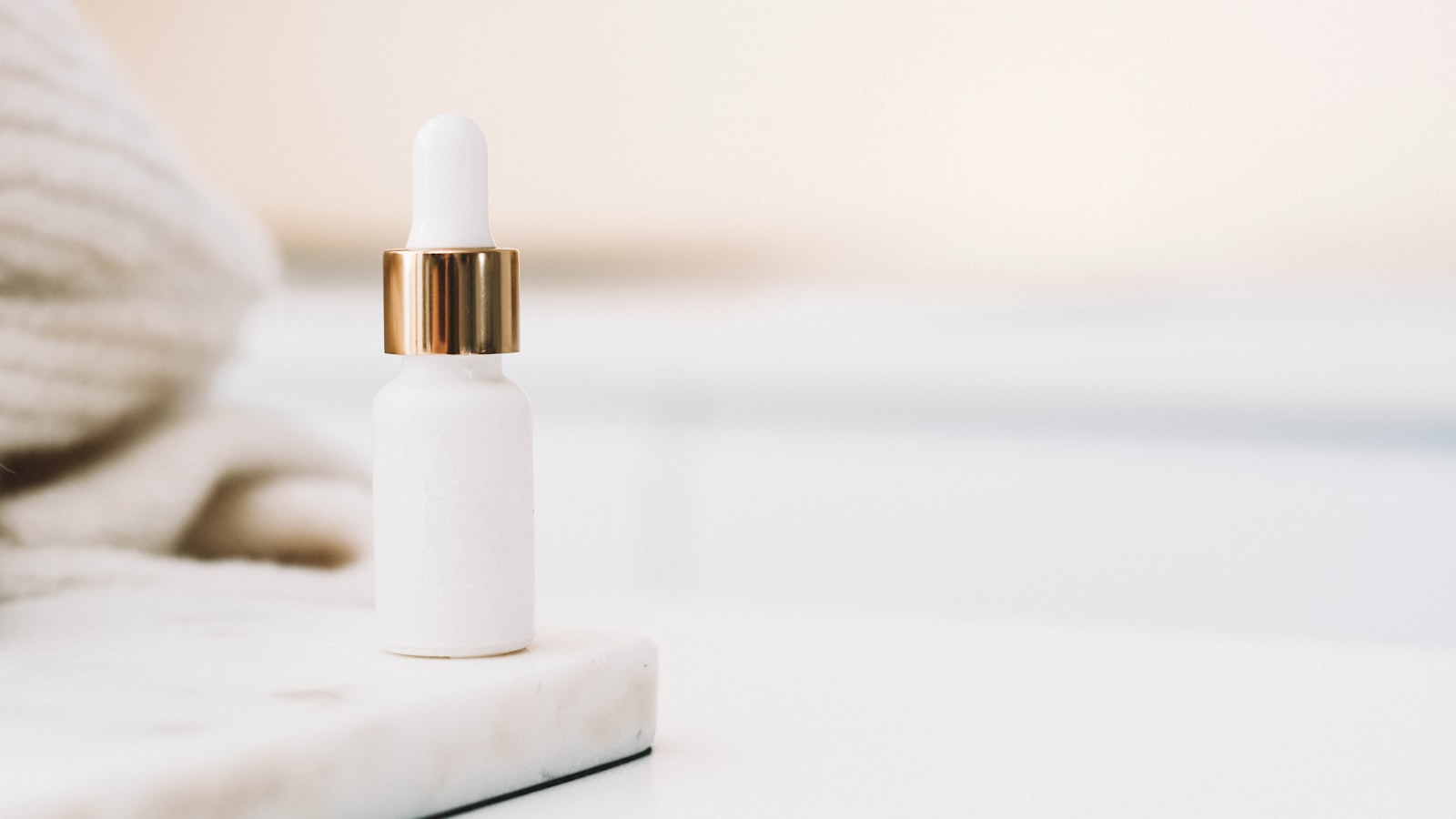
None of this is an argument against good topical skincare. Sunscreen, retinoids, a barrier-supporting moisturizer — those earn their place. But they're working on the outermost layer of a system whose behavior is being set from the inside. If your inflammatory tone is high and your barrier lipids are low, the most expensive cream in the world is swimming upstream.
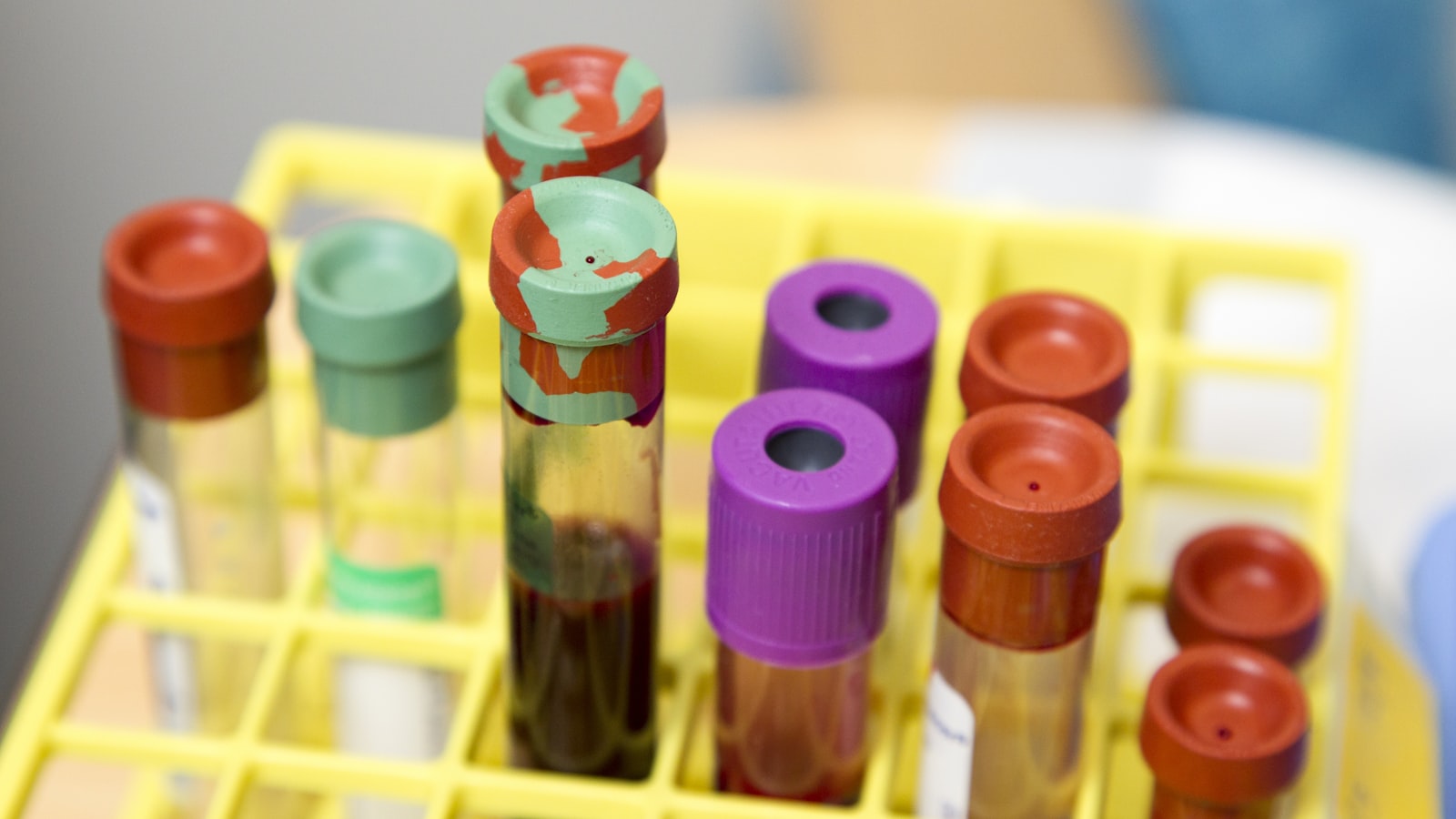
The reason "skin longevity" is a genuine step forward is that it finally asks the right question: not how do I cover this up, but what is actually driving it. The answer, more often than not, is written in your blood.
If you want to know where you stand, the markers to look at are hs-CRP, fasting glucose, HbA1c, and your omega-3 index. Together they sketch the internal picture that any longevity routine is really trying to change.
A note: the JenSkin panel is a wellness tool, not a diagnostic test. It is meant to help you understand what may be influencing your skin — not to diagnose or treat any condition. For medical concerns, talk to your physician.