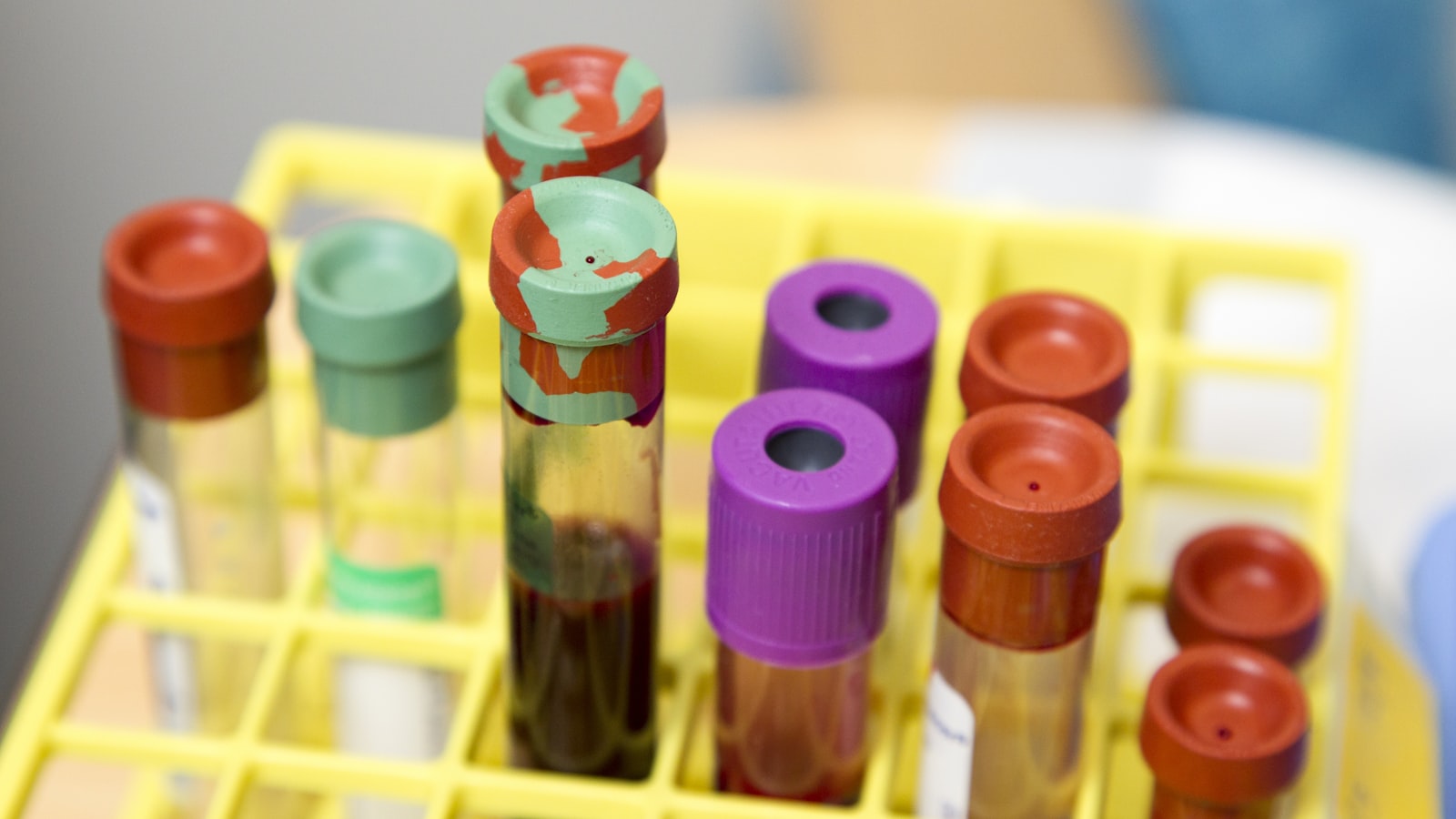
If we ran the JenSkin panel on 100 random women, roughly 40 of them would come back with a vitamin D level below what we consider skin-supportive.
Forty out of a hundred. That is not a rounding error.
And here is the strange part. Almost none of them would know. Vitamin D deficiency has essentially no felt symptoms until it is severe — and by then it is showing up as bone problems, immune issues, or fatigue that nobody connects to it. Your skin, meanwhile, has been quietly missing one of its most important tools for years.
Let me tell you what it does, and then let me tell you what to do about it.
What vitamin D actually does for skin.
Vitamin D is one of the few nutrients that has receptors directly in your skin cells. Your body is literally built to use it there. When those receptors don't have enough vitamin D to bind to, the cells lose access to several jobs they're supposed to do.
Three matter most for skin:
DNA repair after UV exposure. Every time you go outside on a sunny day, ultraviolet light damages your skin's DNA at a small, cellular level. Your body has a repair crew. Vitamin D is required to activate parts of that repair crew. Low vitamin D means your skin does not repair sun damage as efficiently — which shows up over years as more permanent damage, faster aging, and higher skin cancer risk.
Immune modulation. Your skin has its own immune system. It responds to bacteria, irritants, and internal signals about what's going on in the body. Vitamin D helps that system stay calibrated — not too reactive, not too passive. Low vitamin D is associated with more skin conditions that involve the immune system: eczema, psoriasis, and stubborn acne.
Barrier function. Vitamin D helps maintain the outer barrier of your skin — the thin layer that keeps moisture in and irritants out. When it drops too low, the barrier is more permeable, which means drier skin, more sensitivity, and more reaction to products you used to tolerate.
Why so many women are low.
Three reasons, in order of impact.
1. We stopped going outside. Your skin makes vitamin D when direct sunlight hits it — no clothes, no sunscreen, no glass in the way. Fifteen minutes of arms and legs in midday sun makes a lot of it. Most modern women get essentially zero direct sun on skin most days.
2. Sunscreen. Which is a good thing — I am not telling you to stop wearing sunscreen. I wear sunscreen every day. But SPF blocks the exact wavelength your skin uses to make vitamin D. This is the tradeoff, and the answer is not to stop protecting yourself. The answer is to supplement.
3. Latitude and skin tone. If you live above the 37th parallel (roughly from San Francisco eastward across the US), your skin can't make meaningful vitamin D from October to March even if you tried. And darker skin makes less vitamin D per unit of sun exposure than lighter skin — meaning women of color are disproportionately deficient, and rarely told.
What to do about it.
Get it measured, first. Vitamin D response to supplementation varies wildly person to person. Two women taking identical doses can end up at very different levels. The only way to know is to test, act, and re-test.
Supplement, most likely. Almost every woman I know who has tested has ended up supplementing. The dose most functional and longevity doctors recommend for women in the 30-70 age range: 2,000 to 4,000 IU per day of vitamin D3 (cholecalciferol, not D2). Take it with a meal that has some fat in it — vitamin D is fat-soluble, so it absorbs better that way.
Consider vitamin K2 alongside. Not required, but when you're supplementing D at higher doses, K2 helps direct the calcium your body is now absorbing more efficiently into your bones and teeth, and away from your soft tissue. Combination supplements are common.
Get 15 minutes of sun on your arms three times a week if you can. Not to burn. Not instead of sunscreen on your face — you still wear that. Just enough that your skin has a chance to do the thing evolution built it to do.
Re-test at 12 weeks. This is the one part people skip. Vitamin D is one of the most measurable, movable numbers in the body. If you supplement and don't re-test, you are guessing. The whole point of the panel is you don't have to guess.
The line to remember.
If your skin does one thing you can't explain, and you have not measured your vitamin D in the last year — do that before anything else.
It is cheap. It is easy. It moves. And forty percent of the time, it is quietly the thing.