Searches for "matcha skincare" surged more than 2,300% in a single month, and suddenly it was in everything — masks, cleansers, serums, under-eye sticks. For once, the hype has a real molecule behind it. But the way matcha actually calms skin isn't the way the trend implies.
The active compound in matcha is the same one in green tea: EGCG, a polyphenol antioxidant. And the research on it is genuinely good. Applied to human skin, EGCG reduces UV-induced redness, oxidative stress, and the infiltration of inflammatory cells (Katiyar, 2003). It's one of the better-studied botanical actives in dermatology (OyetakinWhite, 2012). If you like your matcha eye cream, there's nothing wrong with it.
But notice what those studies are measuring: a local effect, on a patch of skin, mostly against UV. That's a real benefit. It is not the same as changing how inflamed your skin runs day to day.
Where inflammation actually lives.
The redness, reactivity, and dullness most women are trying to fix aren't usually a surface antioxidant problem. They're a reflection of systemic inflammatory tone — the background level of inflammation your whole body is carrying. A topical can nudge the top layer. It can't lower the set point.
Interestingly, green tea's most striking skin study wasn't a cream at all. When women drank green tea catechins over weeks, the metabolites showed up in their skin and measurably reduced UV-induced inflammation (Rhodes, 2013). The systemic route did what the topical route only gestures at.
The glow matcha promises starts one layer deeper than a mask can reach.
This is the pattern with almost every "anti-inflammatory" skincare trend. The ingredient is real, the topical effect is modest and local, and the thing you actually want — calmer, more even skin — is being set by your internal inflammatory load.
The number underneath it.
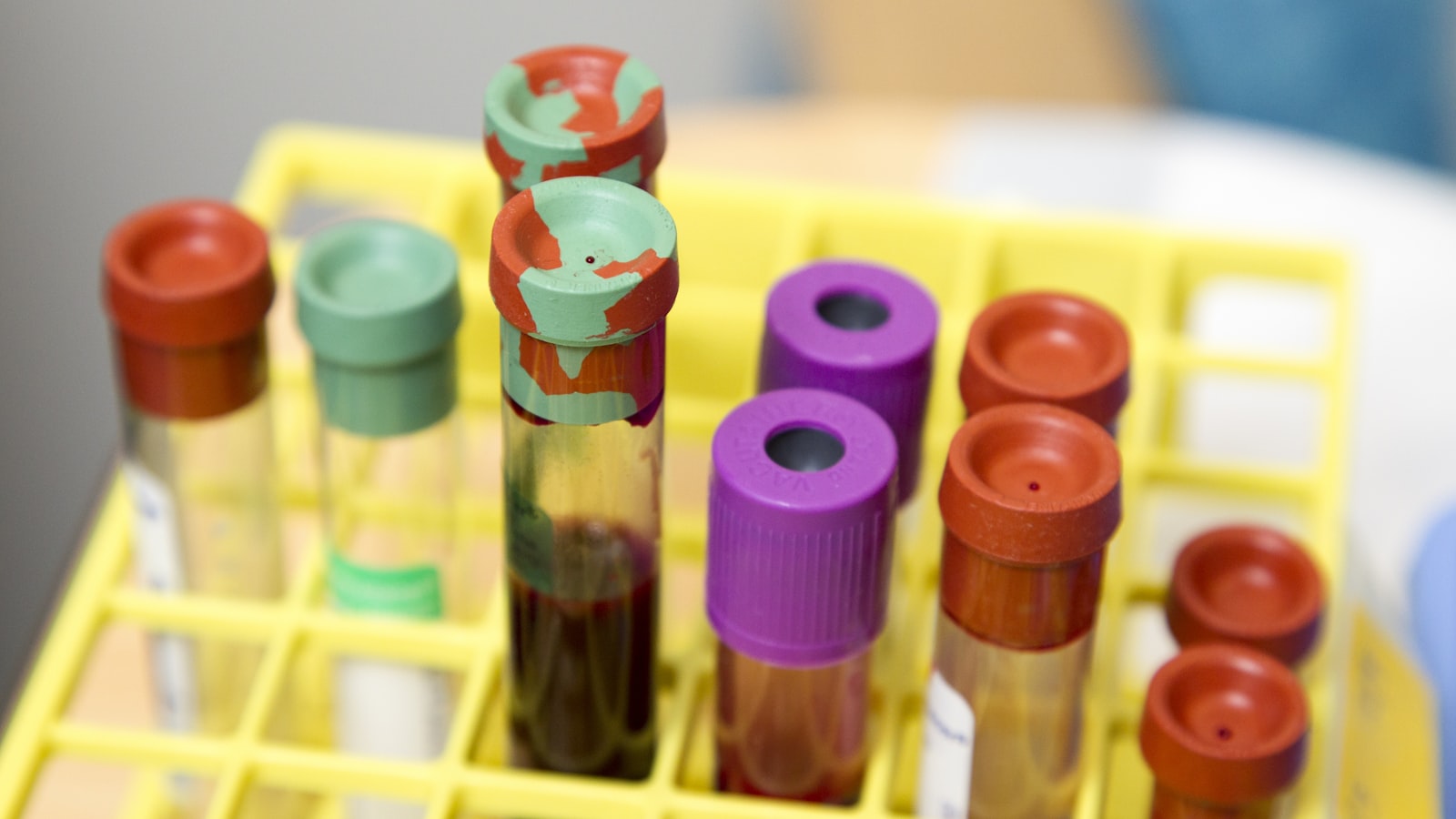
That load has a measurement: high-sensitivity CRP (hs-CRP). It's the standard marker for the low-grade, systemic inflammation that drives so much of how skin looks and ages. If yours is elevated, the lever isn't a stronger mask — it's the things that move hs-CRP: omega-3 status, blood sugar, sleep, and stress.
So enjoy the matcha. Drink it, even — that may do more for your skin than the mask. Just know that the calm you're chasing is a number, and it lives in your blood, not on your shelf.
A note: the JenSkin panel is a wellness tool, not a diagnostic test. It is meant to help you understand what may be influencing your skin — not to diagnose or treat any condition. For medical concerns, talk to your physician.