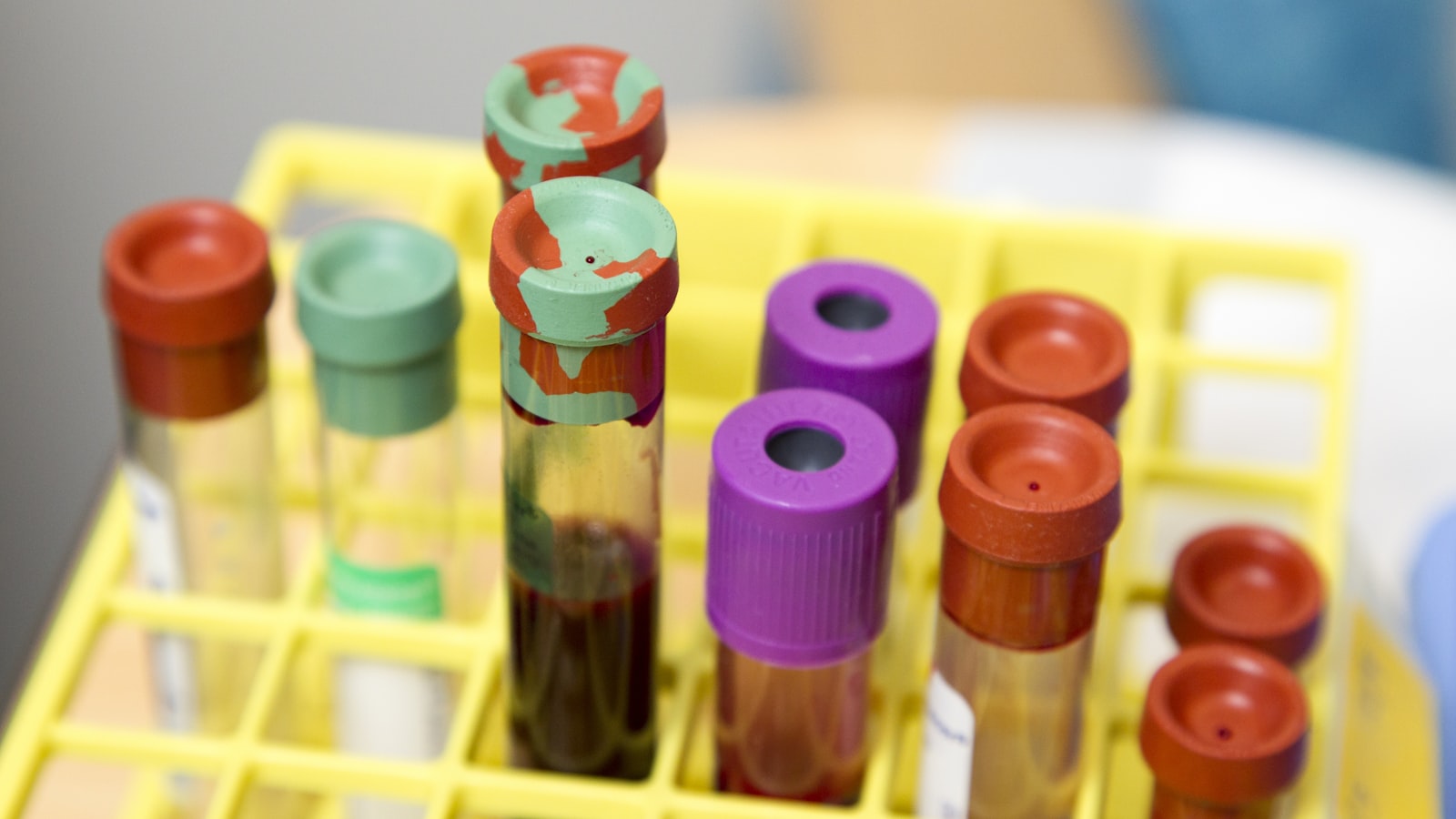
"Heal your gut, heal your skin" is one of wellness's favorite slogans, and it's built on something genuine. The gut and the skin really do talk to each other. The question worth asking is how loudly, and whether the supplements sold on the strength of that conversation actually deliver.
The real connection.
The link runs mainly through inflammation and the immune system. When the community of microbes in your gut is disrupted, a state called dysbiosis, the gut barrier can become more permeable and low-grade inflammatory signals can rise. Because skin responds to systemic inflammation, that internal state has downstream effects on the surface. This bidirectional relationship is now well described, and the idea was seeded years ago in work connecting acne, the gut, and probiotics (Bowe & Logan, 2011).
The strongest evidence clusters around specific inflammatory conditions: atopic dermatitis, acne, and rosacea all show associations with gut microbiome differences.
The axis is real. The certainty on any given probiotic bottle is not.
Where the ads get ahead.
Here's the honest boundary. "The gut affects the skin" is well supported. "This probiotic will fix your skin" is not, at least not yet. Trials of probiotics for skin tend to show modest improvements in condition severity, with a lot of variation between studies and few that measure the skin's own microbiome directly. Researchers reviewing the field consistently say the same thing: plausible and promising, but not firm enough for confident recommendations.
The useful version.
You don't need to buy the framing to benefit from the biology. The things that support a healthier gut, fiber, a varied diet, less ultra-processed food, decent sleep, also lower systemic inflammation generally, and that's the lever skin actually feels. Rather than chase a specific strain, it's more useful to know your inflammatory tone, which is the common pathway the whole gut-skin story runs through.
A note: the JenSkin panel is a wellness tool, not a diagnostic test. This essay is for education, not medical advice, and cannot diagnose or treat any condition. For medical concerns, talk to your physician.