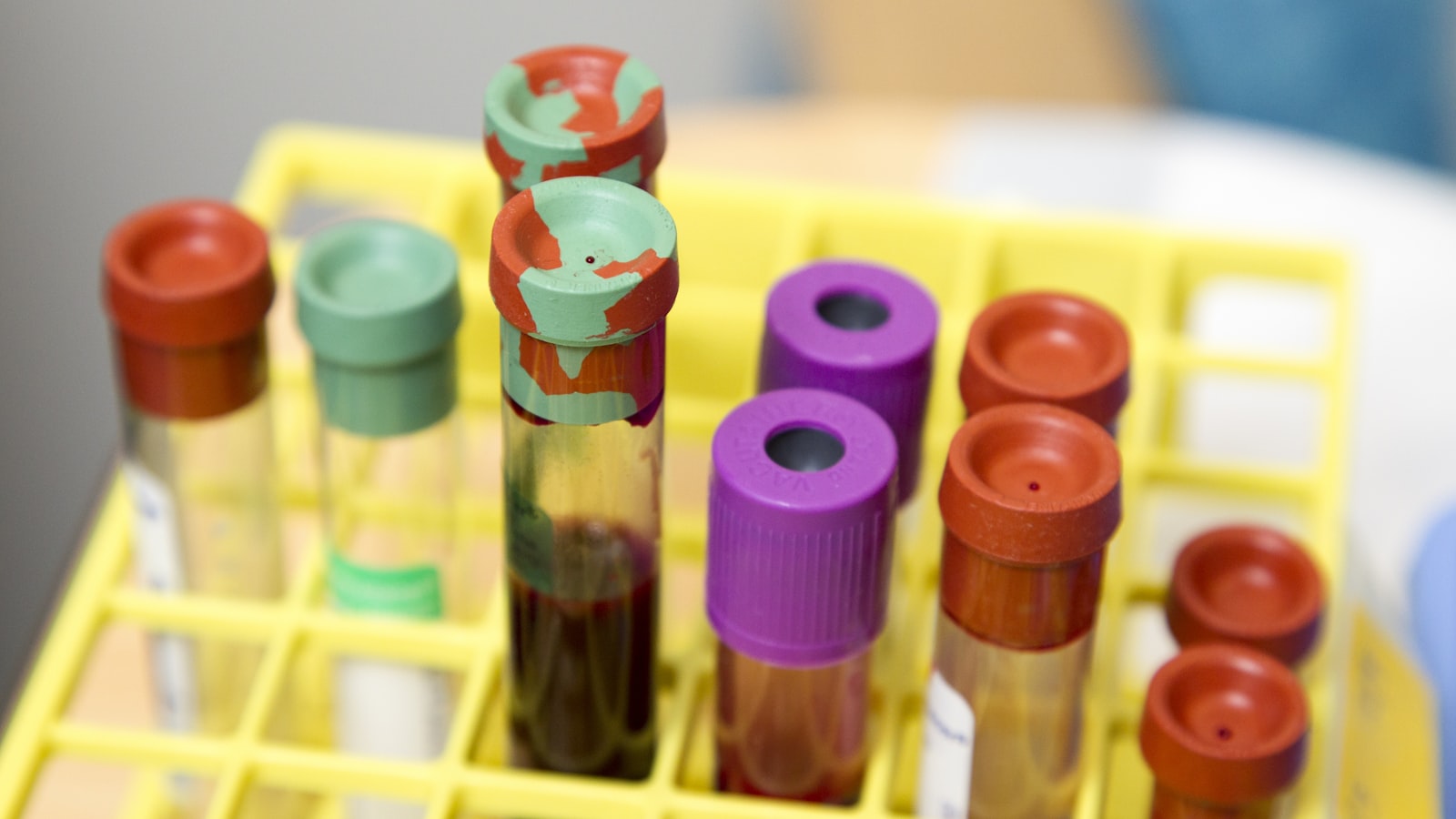
One of the earliest women to take the JenSkin panel was in her seventies. Her results showed elevated hsCRP, low omega-3, and low zinc — a pattern the research would predict for her decade, and one that responds meaningfully to targeted intervention.
Watching how deeply she engaged with her report changed something about how we think about skin in the seventies. This is not the decade of "just accept it." It's the decade where the interventions we care about most — inflammation control, nutrient status, sleep, sun protection — produce the largest observable effects on how a woman actually looks and feels, day to day, month to month.
Here's what the research supports.
What's biologically true.
Cell turnover is significantly slower. The 28-day cycle of young skin is 60 to 90 days now. Everything — repair, absorption of topicals, visible response to any intervention — is slower.
Skin is measurably more fragile. Both epidermal and dermal thinning are substantial. Skin bruises more easily, scratches more easily, and shows underlying structure more visibly.
Sun damage is unmasked. Decades of accumulated UV exposure — from summers at the beach, from years of driving, from all the pre-sunscreen decades — is now fully visible. Solar lentigines, actinic keratoses, deeper wrinkles, and vascular changes are established features.
Vitamin D synthesis is lower. Older skin makes less vitamin D from sun exposure than younger skin. Supplementation is essentially universal, often at higher doses (2000 to 4000 IU) than in younger decades.
Barrier function is compromised. Transepidermal water loss is higher. Skin is drier by default. Dermatitis, eczema, and reactive rashes are more common because the barrier is less effective.
Inflammation carries more weight. Chronic hsCRP elevation has larger consequences for aging skin than for younger skin. This is because repair capacity is reduced — the same inflammatory load produces more damage per unit time.
What actually helps.
Barrier support is the foundation. Ceramide-rich moisturizers, gentle cleansers, and application of moisturizer to damp skin. Occlusive products like petrolatum are underrated at this stage of life. They work.
Inflammation control matters most. The hsCRP number is more consequential in the seventies than in any earlier decade. Omega-3 supplementation, anti-inflammatory food patterns (fatty fish, colorful vegetables, less processed food), sleep, and stress management all move it. The people whose skin looks best in their seventies have low, well-controlled inflammation.
Sun protection continues. UV damage in seventies skin does not repair. Daily broad-spectrum SPF is management, not prevention. Add hats and long sleeves for extended outdoor time.
Nutrient status is more important, not less. Vitamin D, zinc, B12, and omega-3 all shift meaningfully in older adults. The panel becomes a tool for identifying the specific deficiencies that are compromising skin repair. In the case above, low zinc and low omega-3 were the key drivers of the skin symptoms she was noticing — both very correctable.
Sleep, differently. Older adults often sleep less consolidated hours than younger adults. This is normal biologically. What matters is total sleep quality — dark room, cool room, consistent timing. If you're getting seven hours split into two chunks, that can still be adequate.
Muscle preservation. Sarcopenia after 70 has real consequences — for skin, for balance, for independence. Modest strength training (bodyweight, resistance bands, light weights) two to three times a week has better research support in this decade than in any prior.
What to know about aesthetic interventions.
Aesthetic dermatology in the seventies has become genuinely sophisticated. Options include topical retinoids at lower concentrations well-tolerated by most patients, gentle chemical peels for texture and tone, broadband light for solar lentigines and vascular change, and modest injectables for very targeted use.
The best cosmetic dermatologists in this decade combine two principles: less-is-more and health-first. Skin that's healthy, hydrated, protected, and free of pre-cancerous change looks better and ages better than skin that has been aggressively treated.
What to prioritize.
If you're in this decade and can only focus on three things, focus on these:
1. Barrier support. Moisturize consistently. Use gentle products. This alone changes how your skin feels every day.
2. Inflammation. Get your hsCRP measured. Address it with food, omega-3, and sleep. The visible payoff is real.
3. Regular skin checks with a dermatologist. Not for aesthetics — for actinic keratoses and any suspicious lesions. This is when previous sun exposure can produce serious problems, and early detection matters.
The frame.
Your seventies are not the decade of "accepting" your skin. They are the decade of supporting it well.
The women who look and feel best in this decade are, almost universally, the ones who have paid consistent attention to their biology.
She told us afterward that reading her JenSkin report made her feel like she had, for the first time, a real explanation for skin things she'd been noticing for years. That's the point. Not reversal. Understanding.
References.
- Farage MA et al. "Structural characteristics of the aging skin." International Journal of Cosmetic Science. 2013;35(2):143-152.
- Rittié L, Fisher GJ. "Natural and sun-induced aging of human skin." Cold Spring Harbor Perspectives in Medicine. 2015;5(1):a015370.
- Institute of Medicine Committee. "Dietary Reference Intakes for Calcium and Vitamin D." National Academies Press. 2011.
- Cruz-Jentoft AJ et al. "Sarcopenia: revised European consensus on definition and diagnosis." Age and Ageing. 2019;48(1):16-31.