Your forties are the decade of hormonal transition. For most women, perimenopause starts sometime between 40 and 47. It lasts on average 4 to 8 years. It is the single largest hormonal shift most adult women will experience.
Everything you notice about your skin in this decade is shaped, directly or indirectly, by that transition.
At JenSkin we take the forties seriously because it's the decade where the panel becomes most useful. What was quiet in your thirties starts to show up in your blood, and the interventions get more specific.
What's biologically changing.
Estrogen cycles become unpredictable. In perimenopause, your ovaries produce estrogen erratically. Some cycles are estrogen-heavy. Some are estrogen-poor. This shows up in skin as inconsistency — a good week, then a rough week, in a way you didn't experience in your thirties.
Collagen loss begins in earnest. After age 40, collagen synthesis declines and existing collagen degrades at accelerating rates. This is why the first "aging looks" often appear noticeably around 43 to 47 — a slight loss of fullness in the mid-face, fine lines that don't resolve after sleep, a change in the quality of light-reflection off the skin.
Metabolic strain becomes visible. The forties are when women whose HbA1c and fasting insulin were mildly elevated in their thirties start to see skin manifestations. Glycation damage from the previous decade catches up with the skin surface.
Slower wound healing. Notice it if you scratch, cut, or bruise. What took 3 days to heal in your thirties often takes 5 to 7 in your forties.
Hormonal breakouts return. Many women who thought they were done with acne experience adult-onset acne in their forties. This is estrogen fluctuation exposing the androgen activity we've written about in the fasting insulin piece.
What actually helps.
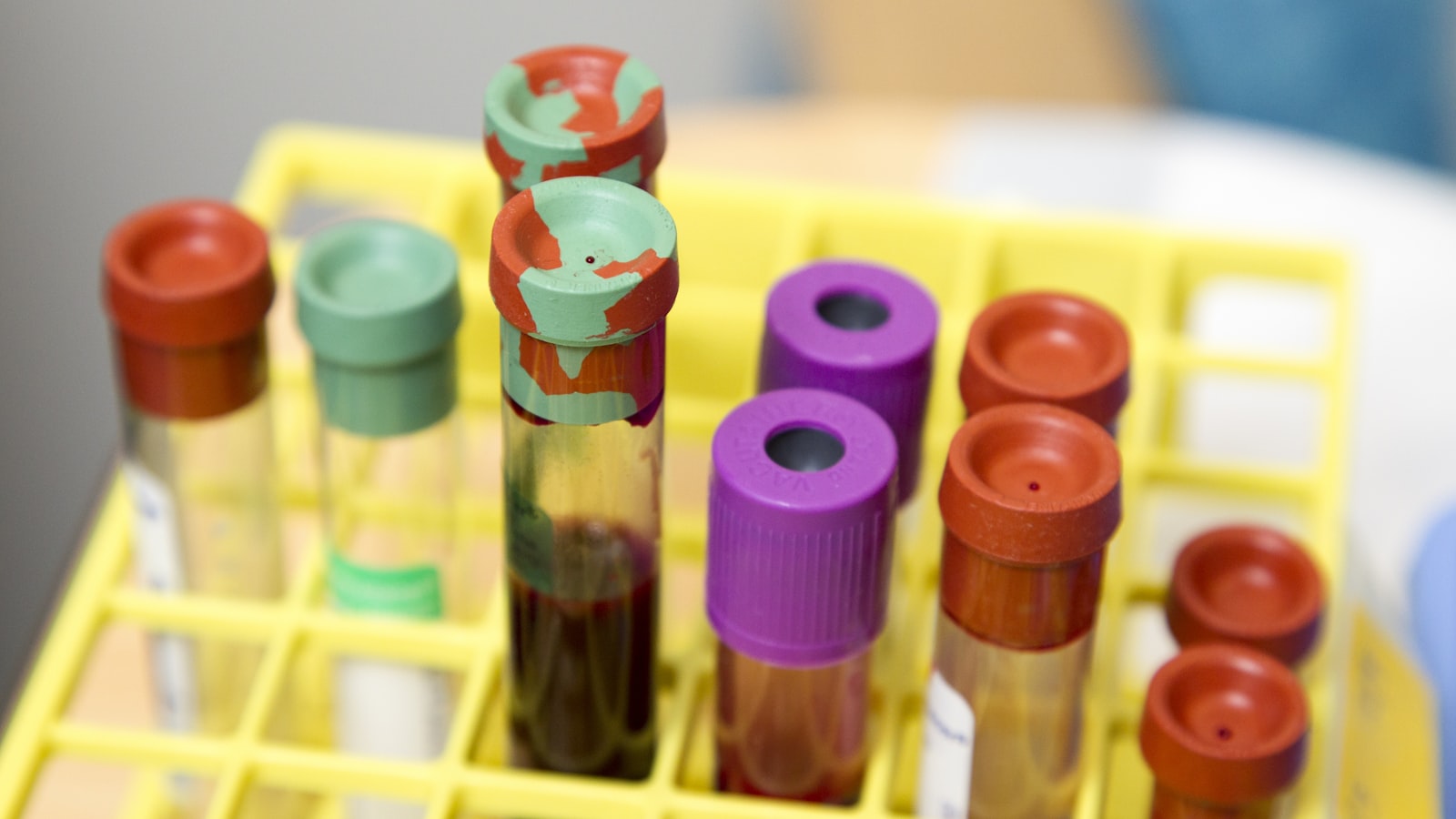
Blood panel — annually, not once. In the thirties, one baseline was enough. In the forties, the shifts happen fast enough that a yearly check makes sense. Track your hsCRP, HbA1c, insulin, and estradiol year over year. Trends matter more than any single reading.
Retinoid consistency. Retinoid tolerance often decreases in the forties as skin gets thinner. Don't quit retinoid — just consider a gentler formulation (retinaldehyde, adapalene) if your usual product starts to feel harsh.
Peptide and growth-factor serums start to have modestly better research. The evidence base is still weaker than for retinoids, but effect sizes on collagen synthesis are more meaningful in aging skin than in young skin. If you're going to spend on expensive skincare, this is the decade where the returns start to appear.
Strength training. The single most under-used skin intervention in this decade. Muscle is metabolically active tissue. It buffers glucose, increases insulin sensitivity, and independently reduces cortisol. Two to three sessions a week measurably shifts JenSkin panel findings.
Sleep hygiene, harder. Perimenopause disrupts sleep. If your sleep is deteriorating, address it directly — magnesium glycinate, cooler room, no alcohol in the evening. Do not "power through" the way you might have in your thirties.
Consider HRT literacy. Not necessarily HRT itself yet — that's a conversation for late forties into fifties. But start reading. The North American Menopause Society (NAMS) has a good primer. The best time to make decisions about HRT is before you need to make them.
What to stop doing.
Aggressive exfoliation. The scrubs and acids that worked for you in your late twenties often damage a forties skin barrier. Fewer treatments, more focus on barrier support.
Sun exposure without protection. UV damage in the forties skin has fewer mechanisms of repair than in the thirties. What you would have shrugged off at 32 is a longer-lasting hit at 44.
Comparing yourself to celebrities. They have full-time aesthetic teams and cosmetic interventions. Compare yourself to the woman you were five years ago. That is the honest comparison.
The frame.
The forties are the decade where information starts to earn its keep. What you know about your specific biology — your hormones, your inflammation, your metabolic status — determines what your best skin strategy actually is. It stops being generic advice.
This is why the panel matters more in this decade than any other. Not because your skin is worse — because your biology has more moving parts.
References.
- Zouboulis CC, Makrantonaki E. "Clinical aspects and molecular diagnostics of skin aging." Clinics in Dermatology. 2011;29(1):3-14.
- Rzepecki AK et al. "Estrogen-deficient skin: The role of topical therapy." International Journal of Women's Dermatology. 2019;5(2):85-90.
- Randhawa M et al. "Daily use of a facial broad spectrum sunscreen over one year significantly improves clinical evaluation of photoaging." Dermatologic Surgery. 2016;42(12):1354-1361.
- Colberg SR et al. "Physical activity/exercise and diabetes." Diabetes Care. 2016;39(11):2065-2079.