Vitamin B12 usually gets discussed in the context of energy and nerves, not skin. But the skin has a quiet role in the B12 story, and occasionally it's the first place a deficiency shows itself, which makes it worth knowing about.
The skin sign.
B12 deficiency can cause hyperpigmentation, darker patches of skin, most characteristically on the backs of the hands and feet. It can also show up in the hair, the nails, and the tongue. In some cases, that pigmentation is the presenting sign, appearing before the more familiar fatigue or neurological symptoms, which is exactly why it gets missed.
There's even a plausible mechanism. B12 deficiency is thought to lower levels of reduced glutathione, and glutathione normally keeps a lid on the enzyme that drives melanin production. With less of that brake, pigment production can run higher (Tayem, 2017). The encouraging part is that this pigmentation is often reversible once B12 is restored.
The pigmentation can appear before the fatigue does, which is exactly why it gets missed.
Who's at risk.
Certain groups are more prone to running low: people eating little or no animal products, anyone on long-term acid-reducing medication, older adults whose absorption declines, and those with certain gut conditions. Many of these women feel generally "off" and never connect it to a vitamin, let alone to their skin.
The takeaway.
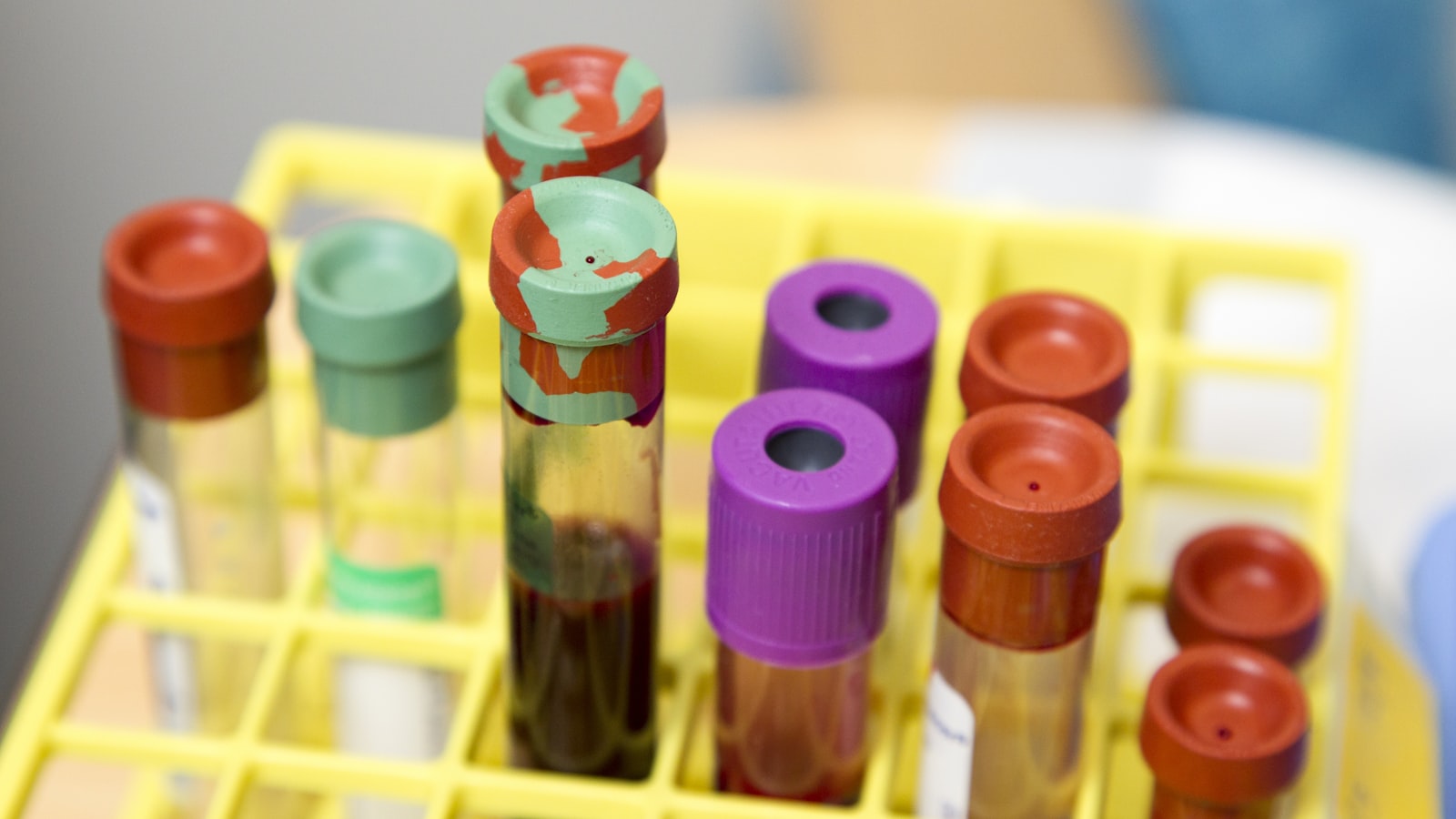
B12 is not a skincare ingredient, and this isn't a reason to start supplementing blindly. It's a reason, if your skin is showing unexplained darkening or you're in a higher-risk group, to actually measure it rather than guess. It's one of the nine markers on the JenSkin panel, precisely because a simple number can explain something that looked like a mystery on the surface.
A note: the JenSkin panel is a wellness tool, not a diagnostic test. This essay is for education, not medical advice, and cannot diagnose or treat any condition. For medical concerns, talk to your physician.