We spend a lot of energy trying to make skin build more collagen: retinol to signal it, peptides to prompt it, treatments to stimulate it. All of that is about sending the message. Almost no one talks about the raw material the message depends on, which is a shame, because it's the part many women are quietly short on.
What collagen is made from.
Collagen is a protein. Your body builds it from amino acids, especially glycine and proline, which come from the protein in your diet. To assemble it properly, you also need cofactors: vitamin C, which is required for the enzymes that stabilize collagen (Pullar, 2017), and zinc, which supports the building process. Take any of those away and synthesis slows, no matter how loudly your skincare is asking for more.
You can send the signal to build all day. Without the raw material, there's nothing to build with.
Why women run short.
Protein needs don't fall with age. If anything they rise, because older bodies use protein less efficiently. Yet protein intake often drifts down over the years, and a lot of women simply eat less of it than their skin and muscles need. The result is a body triaging a limited supply, and skin is rarely first in line.
The practical version.
This isn't a reason to chase a trend. It's a reason to make sure the basics are covered before spending on actives that assume they already are: enough protein spread through the day, adequate vitamin C, and enough zinc. Get the raw material in place, and everything else you do to build collagen finally has something to work with.
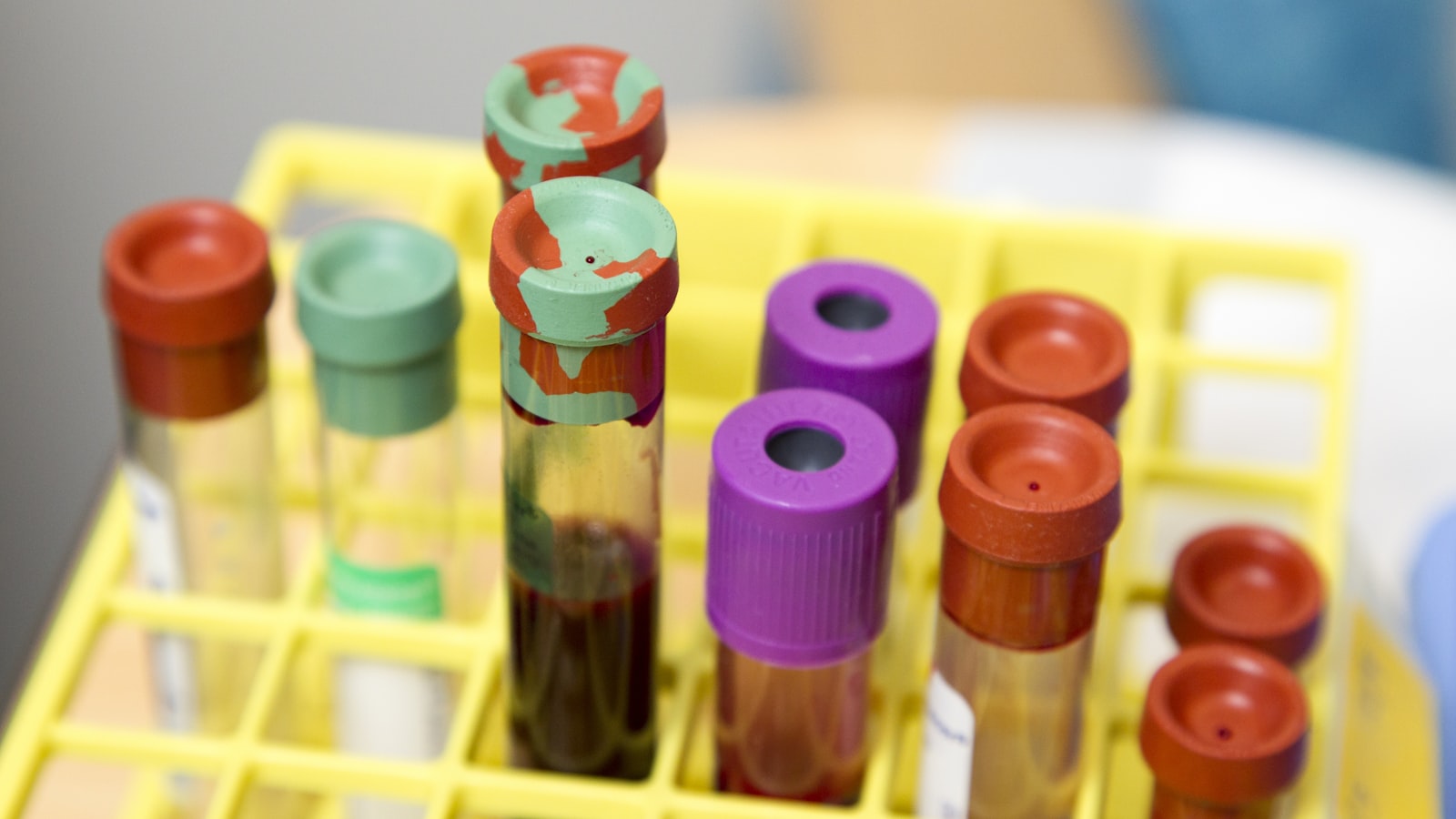
Two of those inputs are measurable, and low levels are common. Zinc is one of the nine markers on the JenSkin panel for exactly this reason.
A note: the JenSkin panel is a wellness tool, not a diagnostic test. It is meant to help you understand what may be influencing your skin — not to diagnose or treat any condition. For medical concerns, talk to your physician.