For a lot of women, it happens almost overnight. Your skin — the skin you understood for decades — starts behaving like a stranger's. Drier. Thinner. Breaking out along the jaw in a way it never did. New sensitivity, slower healing. And the first instinct is to blame your products, or yourself.
It's usually neither. It's perimenopause — and it's a hormone shift you can actually measure.
What estrogen was quietly doing.
Estrogen isn't only a reproductive hormone. In your skin, it's been running the infrastructure: supporting collagen production, driving hyaluronic acid synthesis (your skin's built-in moisture), maintaining sebum, and helping keep the barrier stable.
In perimenopause, estrogen doesn't just fall — it fluctuates erratically, and fibroblast activity and collagen turnover shift with it. The result is the exact cluster so many women describe: dryness, thinning, reduced elasticity, heightened sensitivity, and sometimes adult acne as the estrogen-to-androgen balance tilts.
It wasn't your routine that changed. It was the hormone your skin was built around.
The number behind it.
This is not a small effect. In the first five years after menopause, women lose about 30% of their skin's collagen (Brincat, 1987), with thinning continuing for years after. Perimenopause is the ramp into that — which is exactly why noticing it early matters.
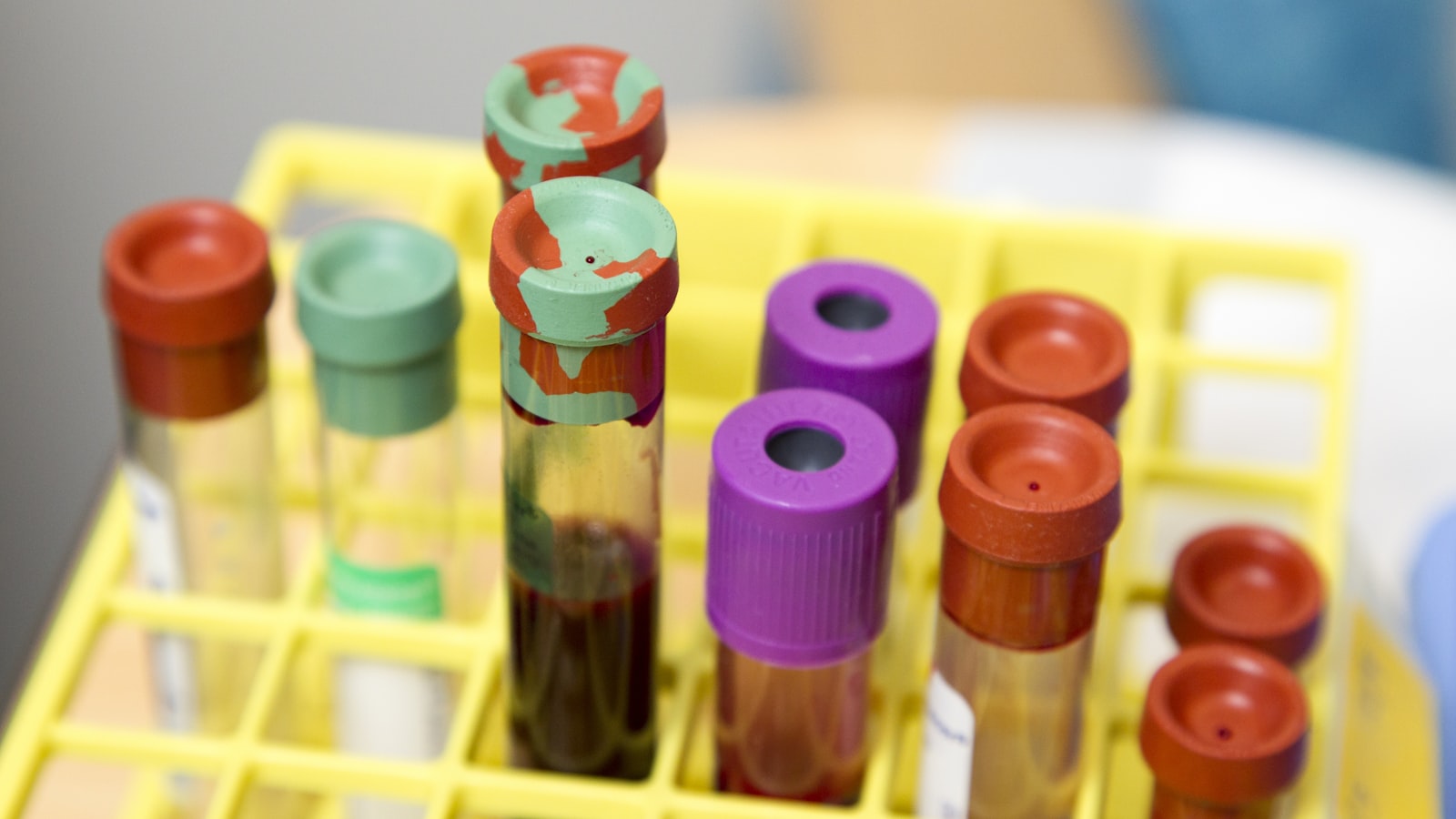
And it's measurable. Estradiol and FSH show where you are in the transition. That doesn't make the changes vanish, but it reframes them: not a failure of your skincare, not something you did — a biological shift you can understand, plan around, and discuss with your doctor, including whether hormone therapy is right for you.
Your skin didn't betray you. It's telling you something your bloodwork can confirm.
A note: the JenSkin panel is a wellness tool, not a diagnostic test. It is meant to help you understand what may be influencing your skin — not to diagnose or treat any condition. For medical concerns, talk to your physician.