You could take everything off your bathroom counter tomorrow and — if you did the following five things reasonably well — your skin would be in better shape a year from now than most women's.
I know, I sell blood panels. This will not surprise you: my strong opinion is that what you put in your body matters more than what you put on it. But I want to give you the specific five things that beat every serum on the market, in the order of impact.
One. Sleep.
Seven to nine hours. Consistent bedtime. Dark room. Cool room. No screens the last 30 minutes.
Everything we have written on the JenSkin Journal about hsCRP, glucose, insulin, cortisol, and growth hormone — sleep moves all of them, in the right direction, more than any product on your counter.
If you fix one thing this year, fix your sleep.
Two. Sun protection.
SPF 30 or higher, every single day, on any exposed skin. Face. Neck. Chest. Hands.
The single largest determinant of visible skin aging that we can measure is cumulative UV exposure. Ninety percent of the "aging" you see in the mirror at 60 is photodamage. Sunscreen is not a beauty product. It is the most researched, most effective anti-aging intervention in dermatology.
The best sunscreen is the one you'll actually put on.
Three. Anti-inflammatory food.
The pattern: colorful vegetables, fatty fish twice a week, walnuts, berries, olive oil, less processed food, less refined sugar.
You don't have to be perfect. You have to be better than the average American diet. The gap between "average" and "moderately good" is where most of the health benefit lives.
Every marker on the JenSkin panel that's inflammatory in origin — hsCRP, oxidized LDL, HbA1c, insulin — moves in the right direction on this pattern. Every one.
Four. Stress management.
Not "no stress." No one has no stress. But chronically elevated cortisol is one of the most direct drivers of skin aging in the body, and cortisol is downstream of how you handle stress, not whether you have it.
Twenty minutes a day of some quieting practice. Meditation counts. Prayer counts. Walking outside counts. Real conversation with a friend counts. It's not about which practice — it's about consistency.
Five. Hormonal literacy.
Understand where you are in your hormonal life stage. If you're perimenopausal, know it. If you're postmenopausal, know your options.
Estrogen is the single largest lever available to a woman for the way her skin ages after 45. Whether or not you choose HRT is a private medical decision. But you cannot make an informed decision about something you don't understand. Read. Talk to a menopause-literate doctor. Do not get your information from social media.
Where skincare fits.
Not zero. Just not first.
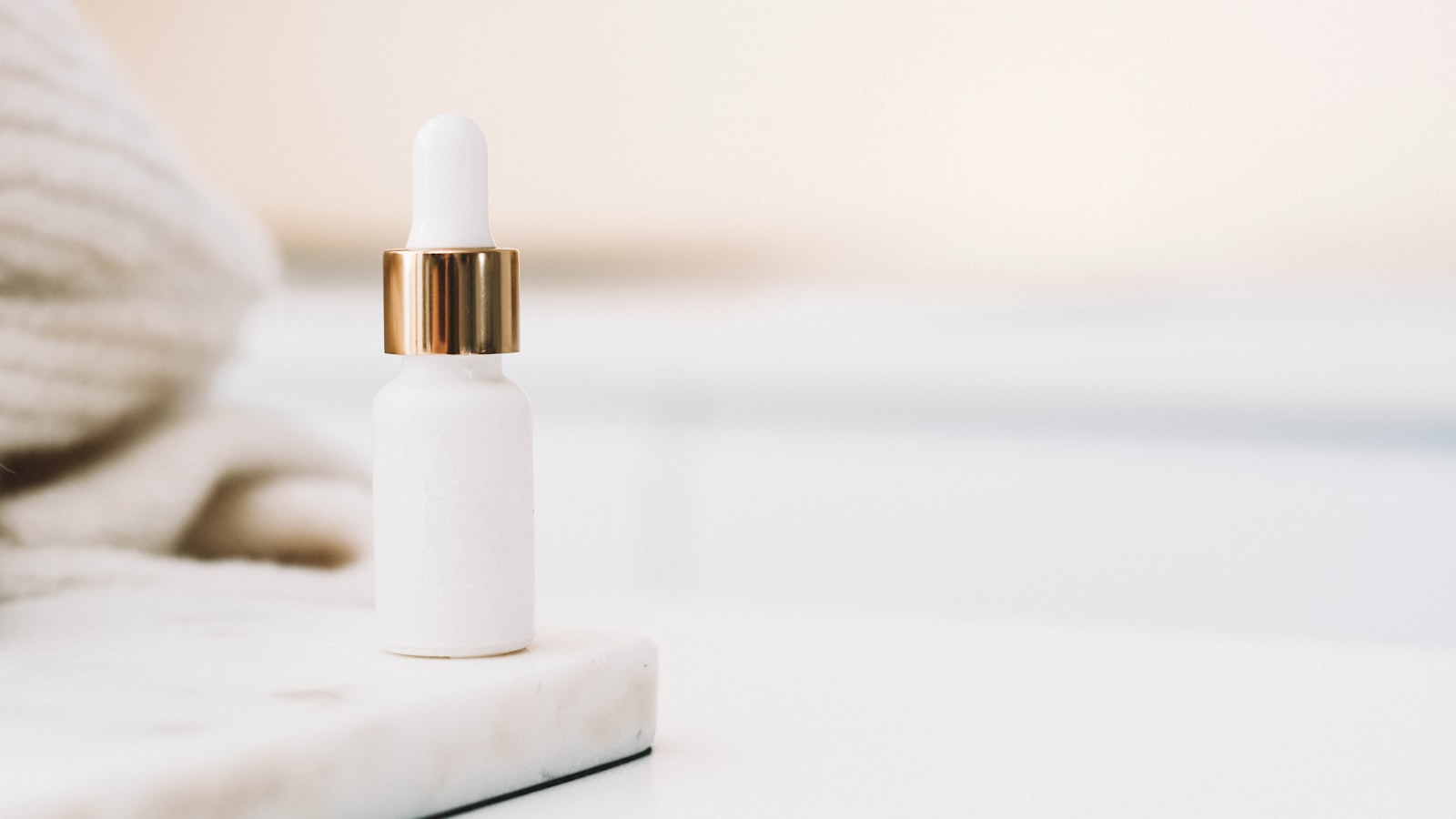
A gentle cleanser. A moisturizer that doesn't irritate you. Sunscreen. A retinoid at night if your skin tolerates it. Vitamin C in the morning if you feel like it.
That's it. That's the whole product routine that has meaningful evidence. Everything else — the peptides, the growth factors, the exosomes, the plant stem cells — is nice, expensive, and downstream of the five things above.
The frame.
Nobody is selling you sleep. Nobody is packaging sunscreen as a $200 hero product. Nobody has figured out how to trademark the Mediterranean diet.
Which is exactly why these five things are underused, undervalued, and — for that same reason — where the biggest returns are.
Fix them first. Everything else compounds better on top of a body that isn't fighting itself.